Why Accessible Video Games Matter
Accessible video games can contribute to overall quality of life and interpersonal relationships, as well as helping to combat social isolation for those living with all types of disabilities.

To ensure all employees have access to the tools and accommodations they need to succeed in the workplace, it is crucial organizations encourage them to advocate for their needs and foster a culture of allyship.
Accessible video games can contribute to overall quality of life and interpersonal relationships, as well as helping to combat social isolation for those living with all types of disabilities.
In this episode, Sam continues this important conversation by revisiting several core themes of the series, along with vital insights from past guests, to look ahead to what the future may hold for digital accessibility and inclusion, for all.
A Salesforce admin for the nonprofit Benetech, Kathi Duffy utilizes the Trailhead program to enlarge her skillset and blaze a trail for other professionals that are d/Deaf or hard of hearing.
In this episode of The InclusionHub Podcast, host Sam Proulx resets the table, so to speak, returning to several critical yet rarely articulated insights shared by guests of our inaugural drop, and re-evaluating where we are as a society in the collective quest toward true digital accessibility and inclusion, for all.
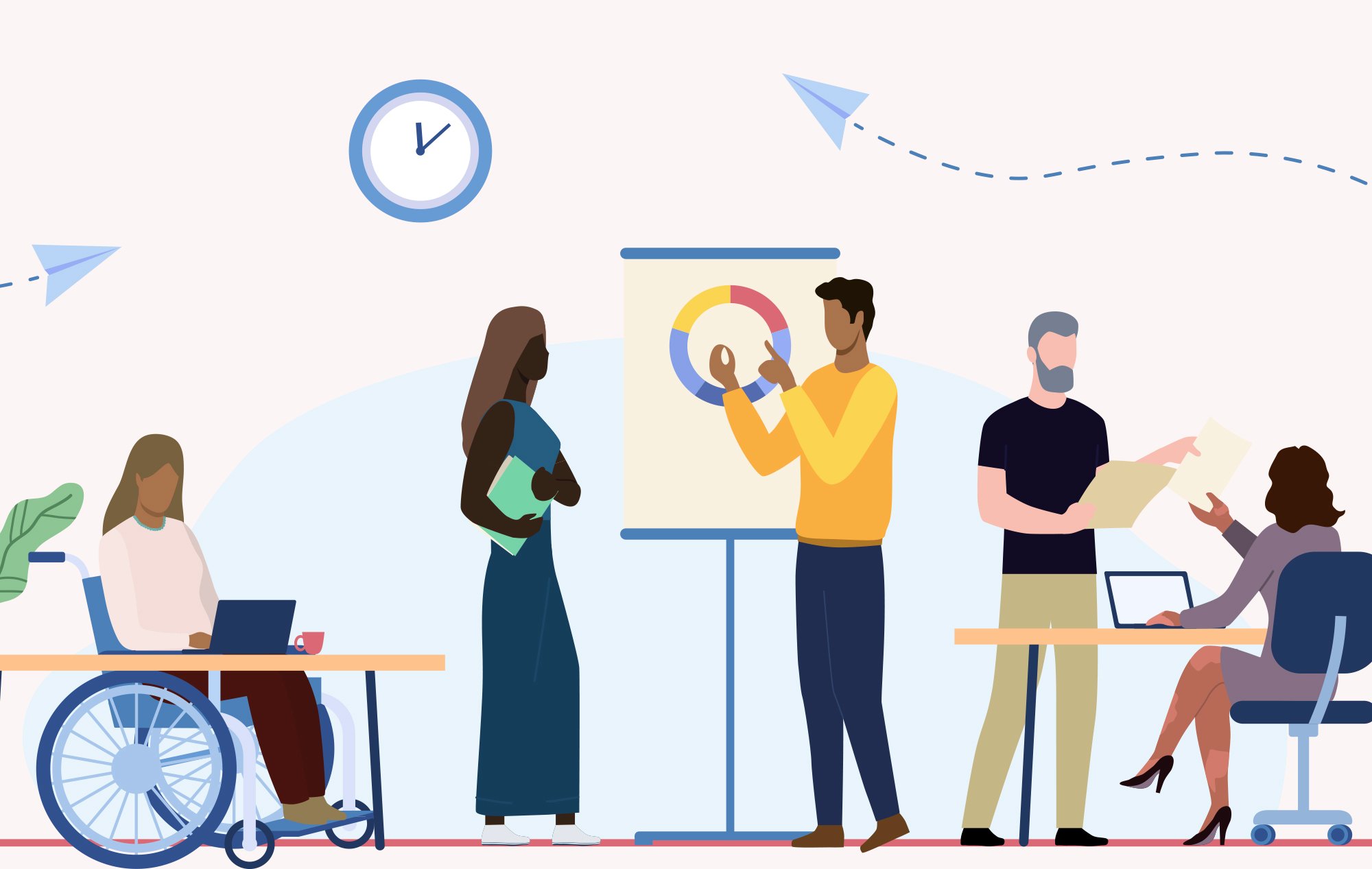
Globally, people with disabilities are disproportionately less likely to be in the workforce—a trend that has continued for decades. In response, public and private leaders are using Disability Employment Awareness Month to raise awareness and push for greater inclusion.
In celebration of Disability Employment Awareness Month, InclusionHub highlights Design Distributors—a New York-based direct mail business prioritizing inclusive hiring and a welcoming work environment.
In recognition of Disability Employment Awareness Month, the Department of Labor released a comprehensive “Equity Action Plan” to support marginalized workers and improve employment conditions, including for people with disabilities.
In this extraordinary episode of The InclusionHub Podcast, we delve even deeper into its meaning and ongoing application in the fight for a fully accessible web. We’re honored, once again, to have truly incredible guests sharing their personal and collective experiences with us, toward this end.
In Episode 4 of The InclusionHub Podcast, you’ll not only hear from more luminaries about the origins of the ADA and its impact but how the law relates to the online world.
Today we hear at length from Jennifer Keelan-Chaffins—one of the most quintessential figures responsible for compelling the ADA’s enactment—a personal hero to Sam and countless others across the globe.
In this episode, we return to where it all began: the birth of the diverse, passionate, vibrant, and expansive disability rights movement.
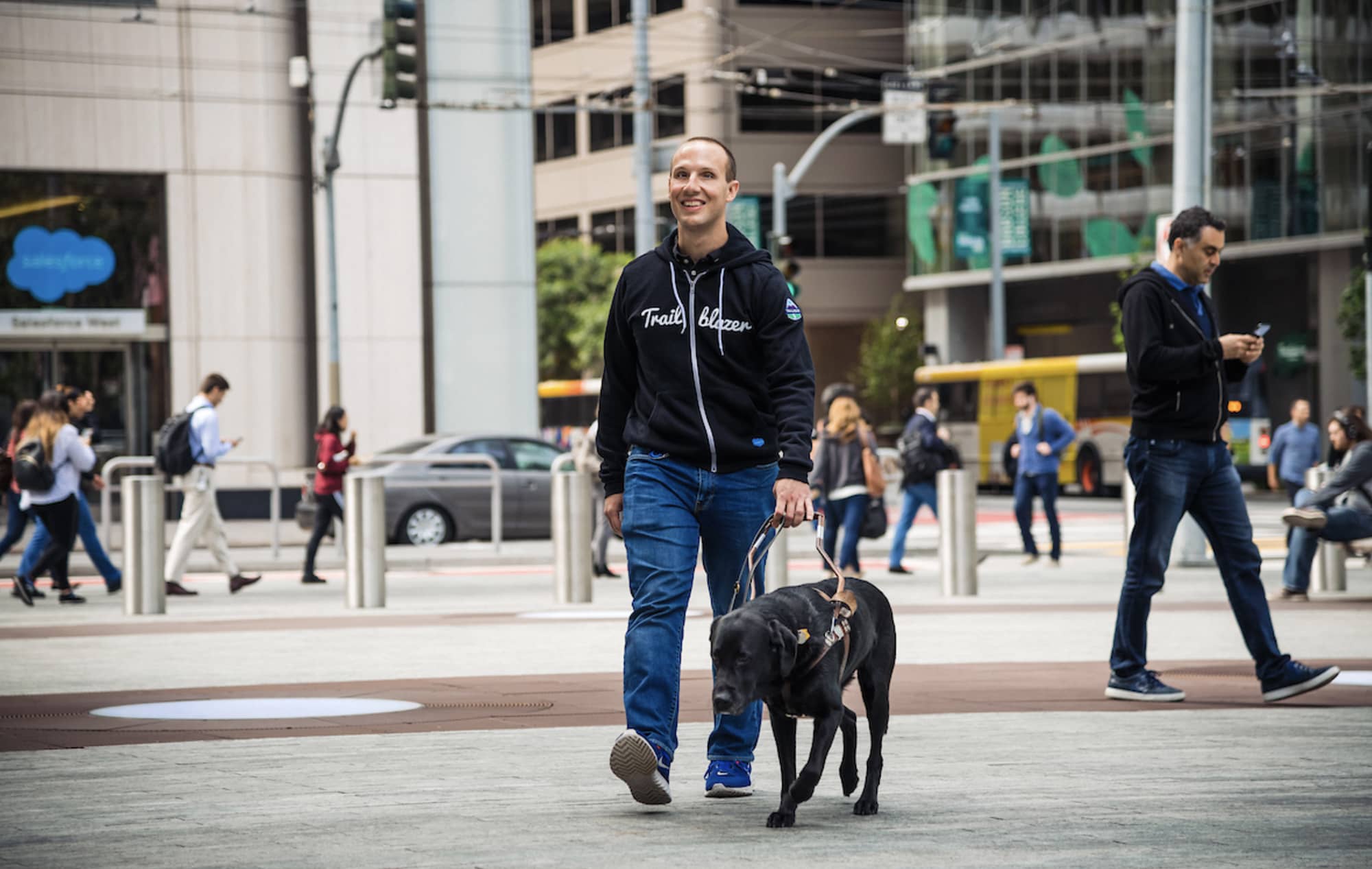
The unemployment rate for working-age persons with disabilities is at least twice that of those without disabilities. Let’s fix that.
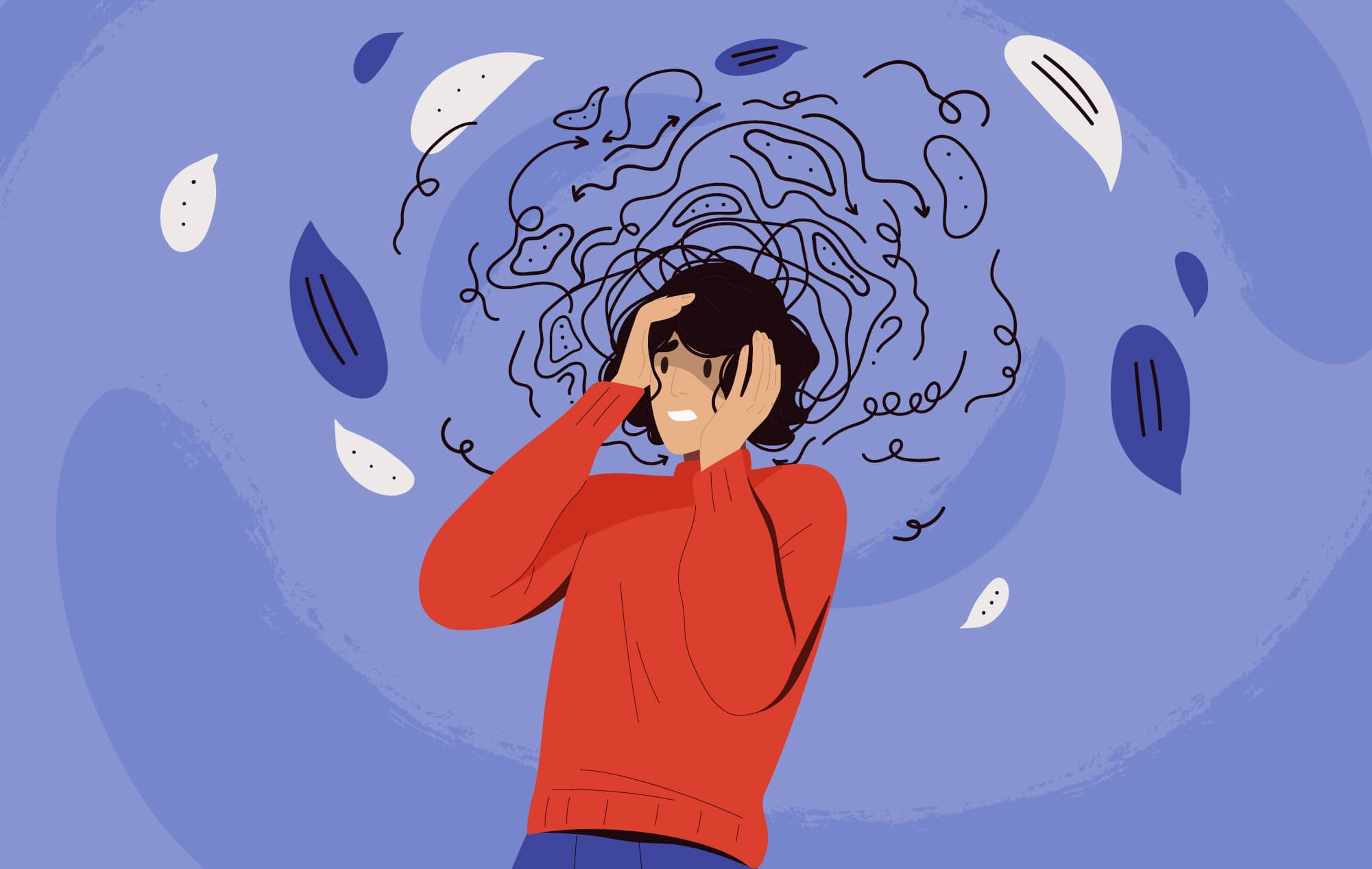
All digital products and services must strive to be inclusive and accessible per the Web Content Accessibility Guidelines (WCAG). However, the mental health disability community requires more specialized protocols above and beyond those outlined by the World Wide Web Consortium (W3C).
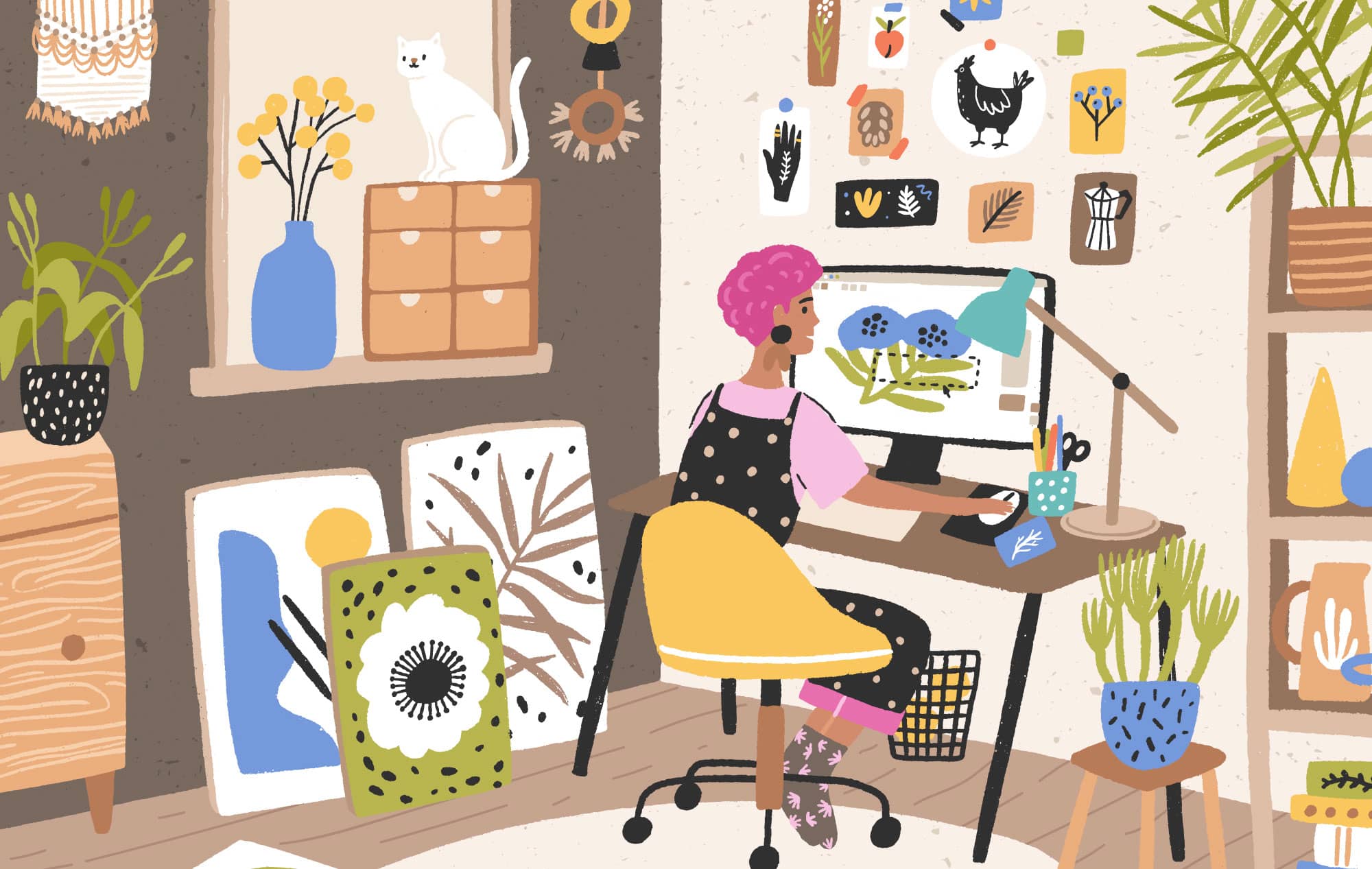
Remote work options clearly benefit everyone, but particularly so for people living with disabilities, since these remove transportation barriers, accommodate disability-friendly work environments, minimizes sensory overload, and provide greater accessibility.

When crafting accessible and inclusive digital platforms for those living with mental health disabilities, avoid triggering images, words, and phrases, such as jumbled text, disorganized layouts, timed forms, illustrations depicting those in distress or despair, and others.
Following the WCAG guidelines can make your digital assets more accessible, especially for people with speech and language disorders.
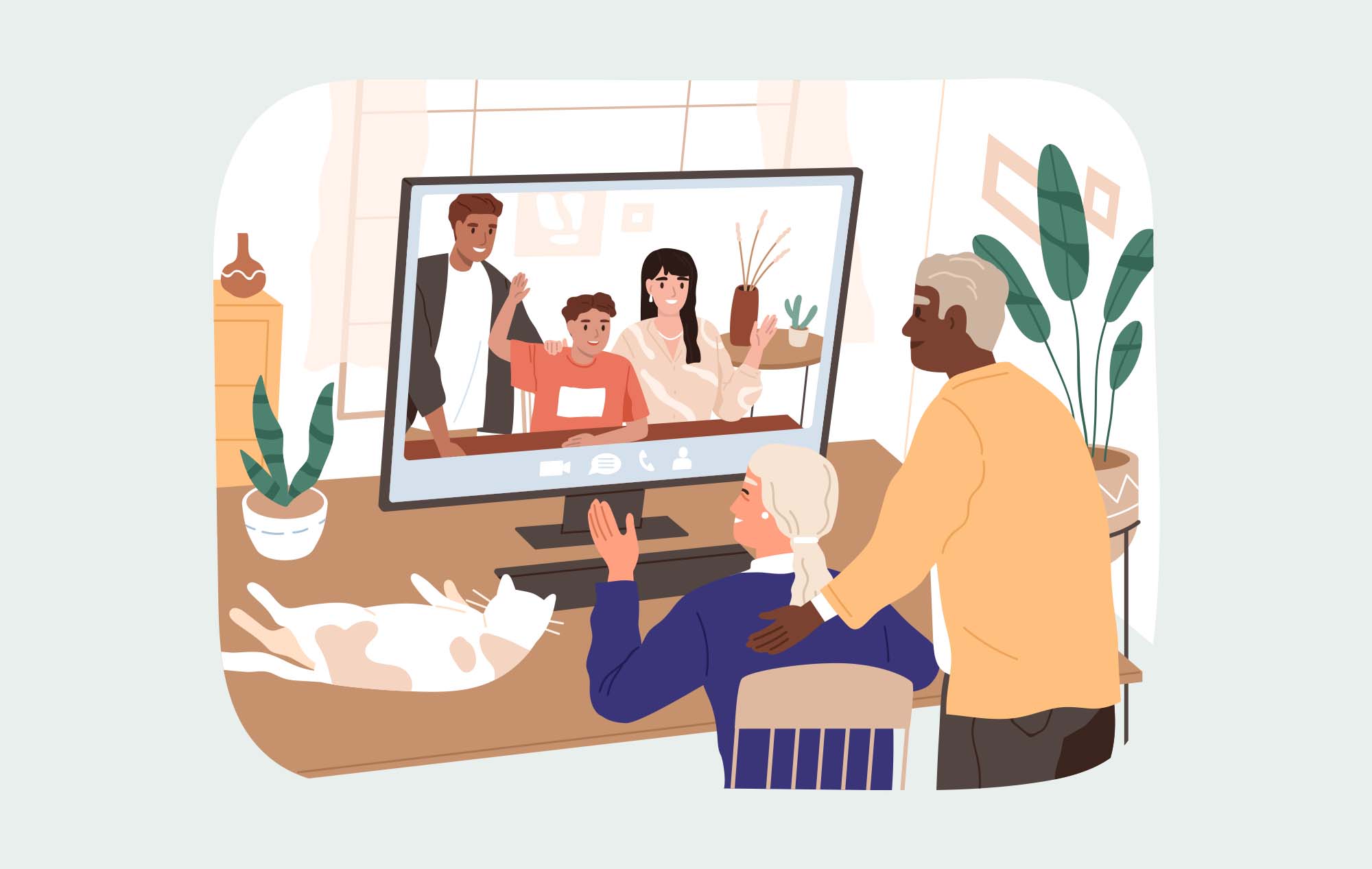
When designed with accessibility and inclusion in mind, websites and digital platforms play an essential role in removing barriers, helping people with physical disabilities establish community and support.
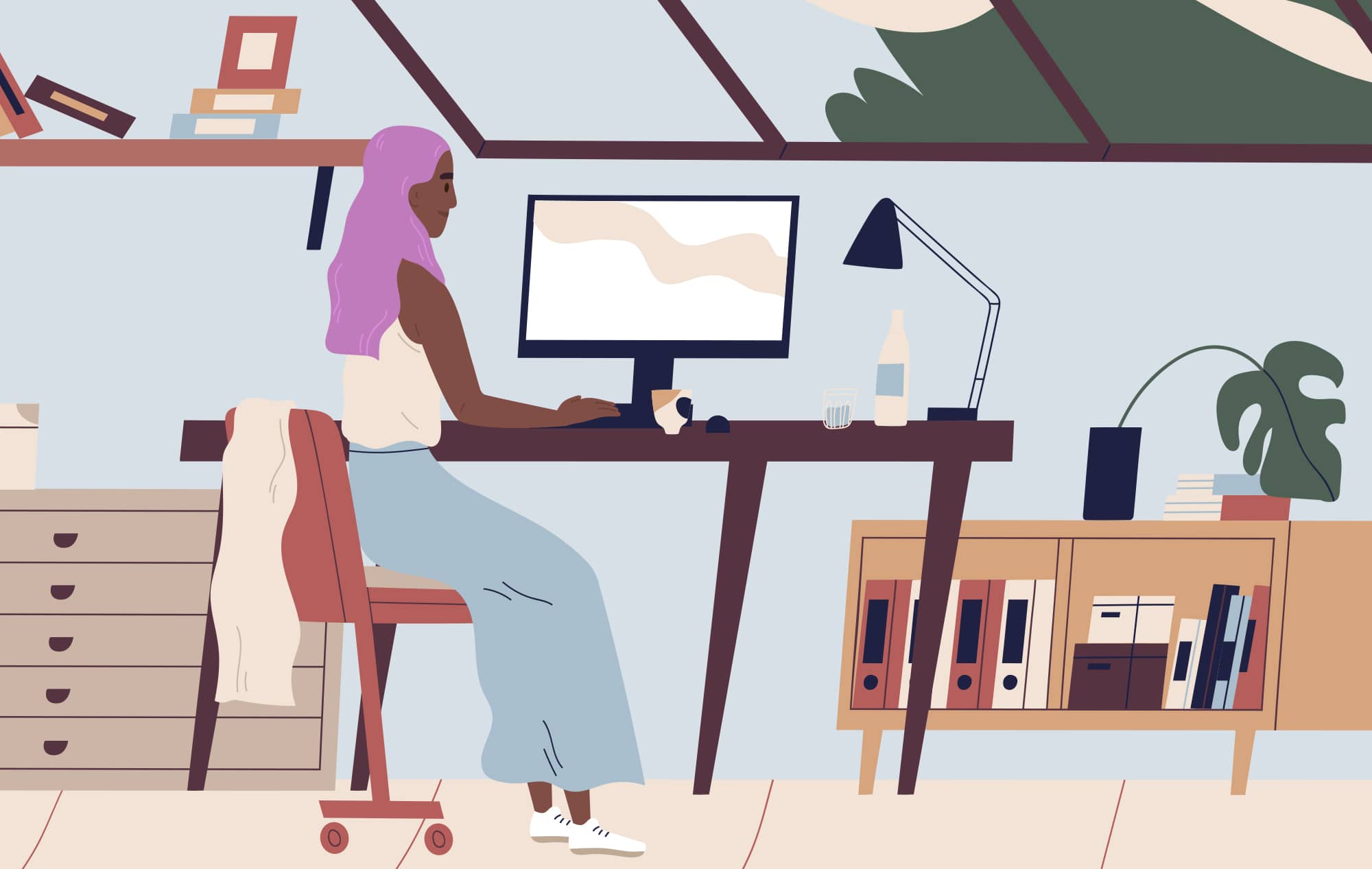
Individuals with learning disabilities face widespread barriers to inclusion. Understanding these obstacles can help improve accessibility and change lives.
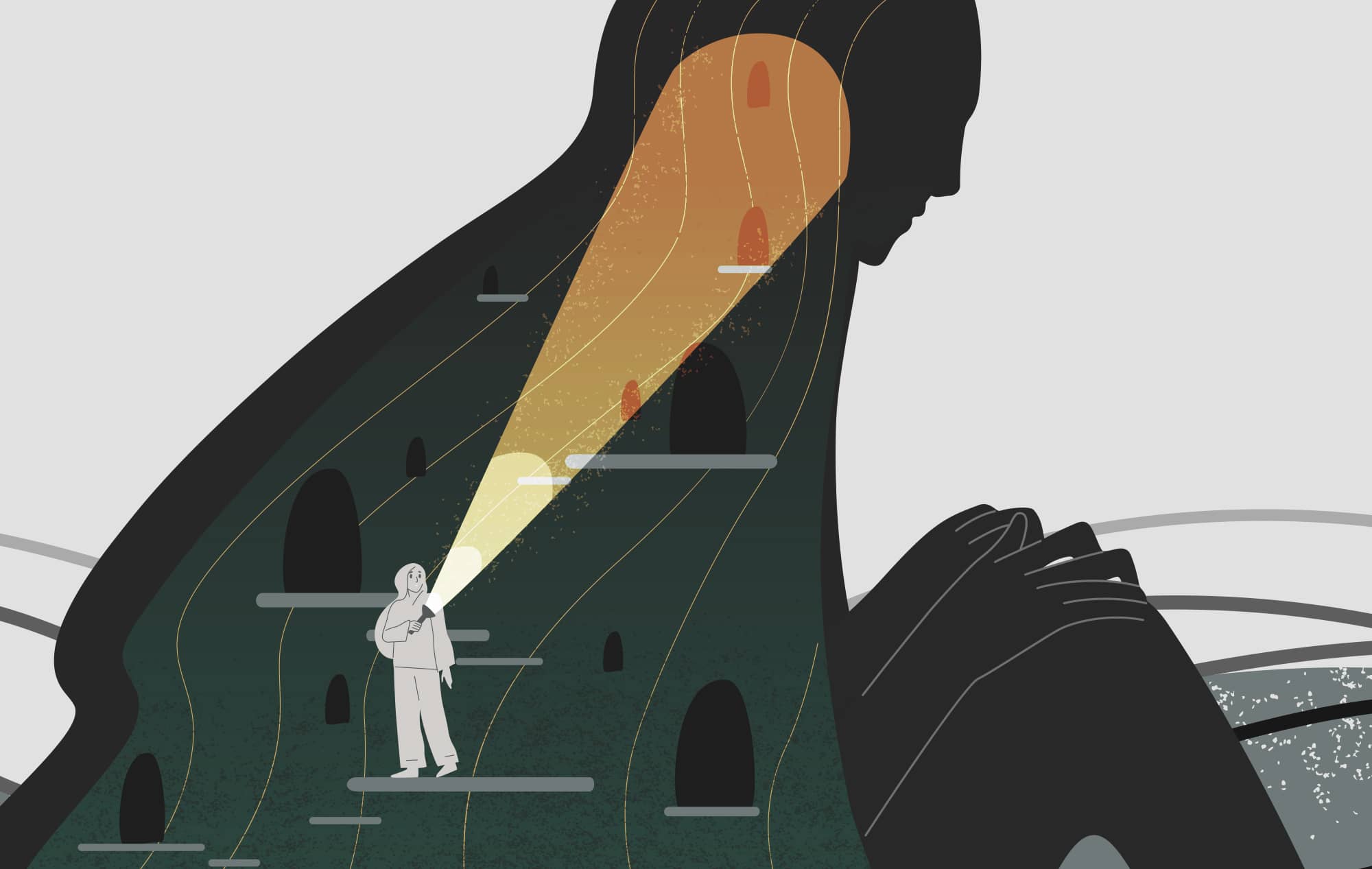
With stigma and shame often attached to hidden or invisible mental health disabilities, this explainer outlines types of disabilities, associated stigmas and stereotypes, and why mental health-driven addictions have led to increased drug overdoses and mortality rates.
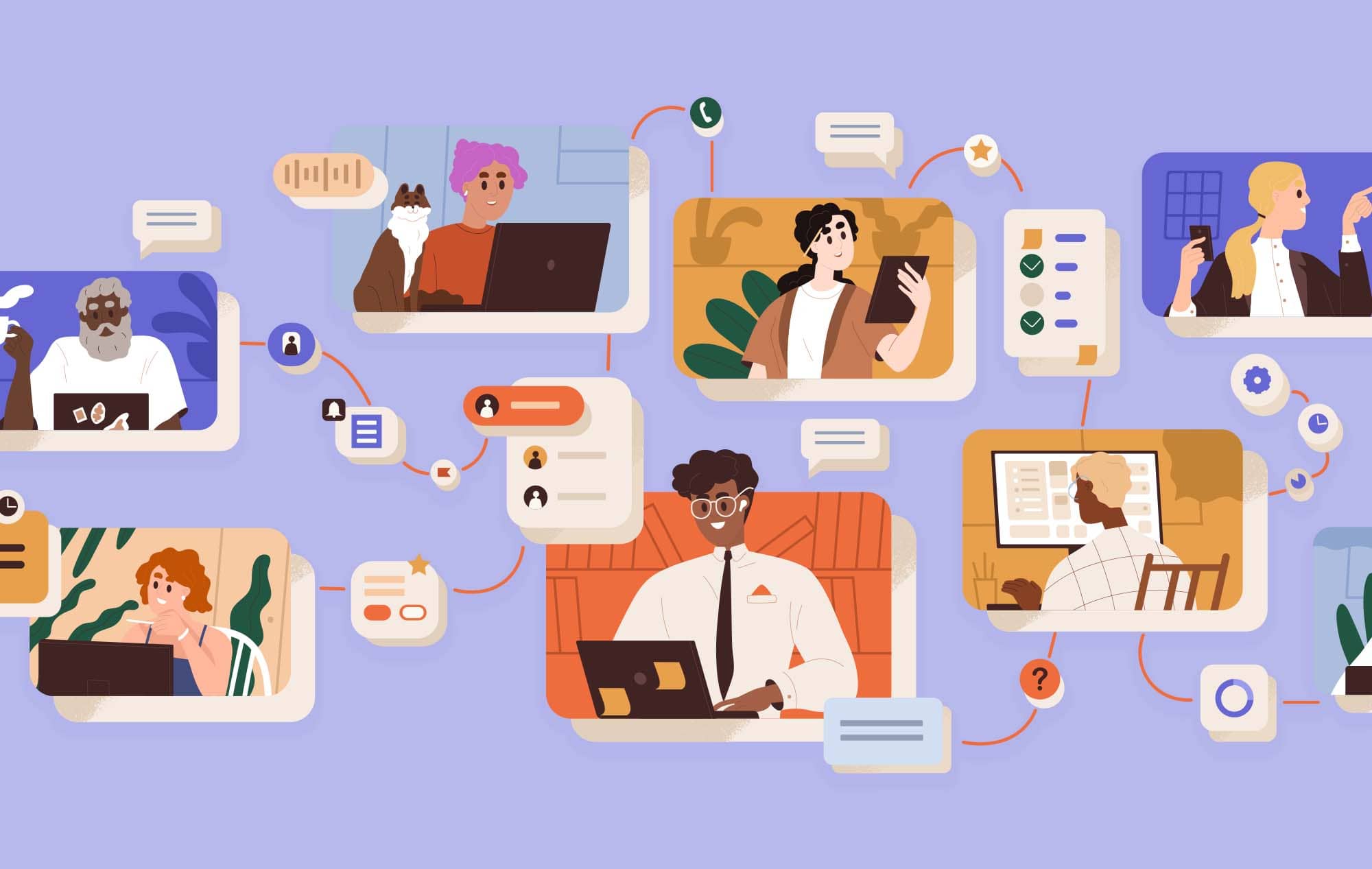
Following the WCAG for learning disabilities can make your content more accessible to the millions of individuals with dyslexia, dyscalculia, and other conditions