The Importance of Microvalidations in the Workplace
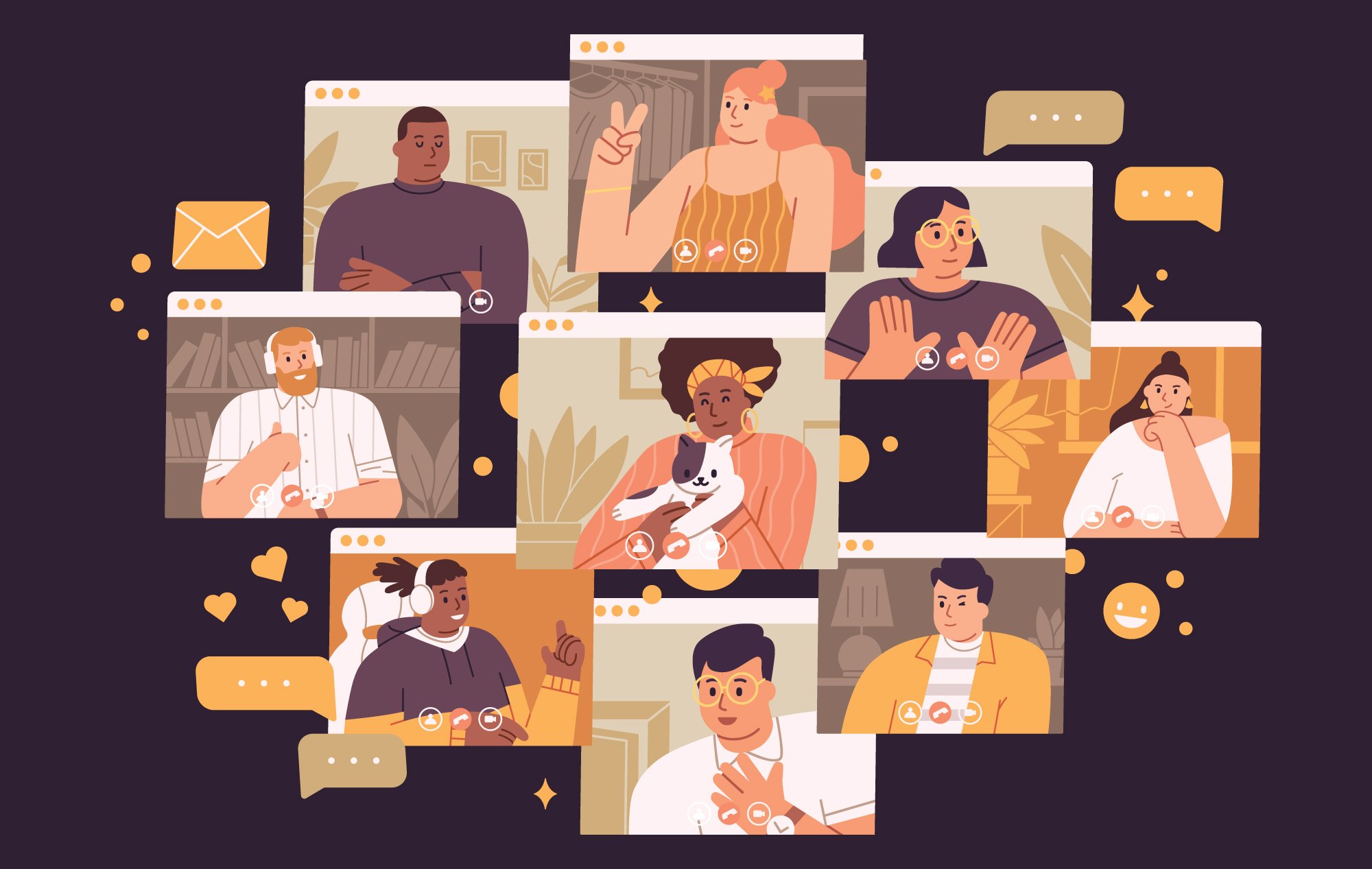
Microvalidations counteract the corrosive effects of microaggressions in the workplace through small acts of affirmation and inclusion, supporting marginalized or stigmatized groups.
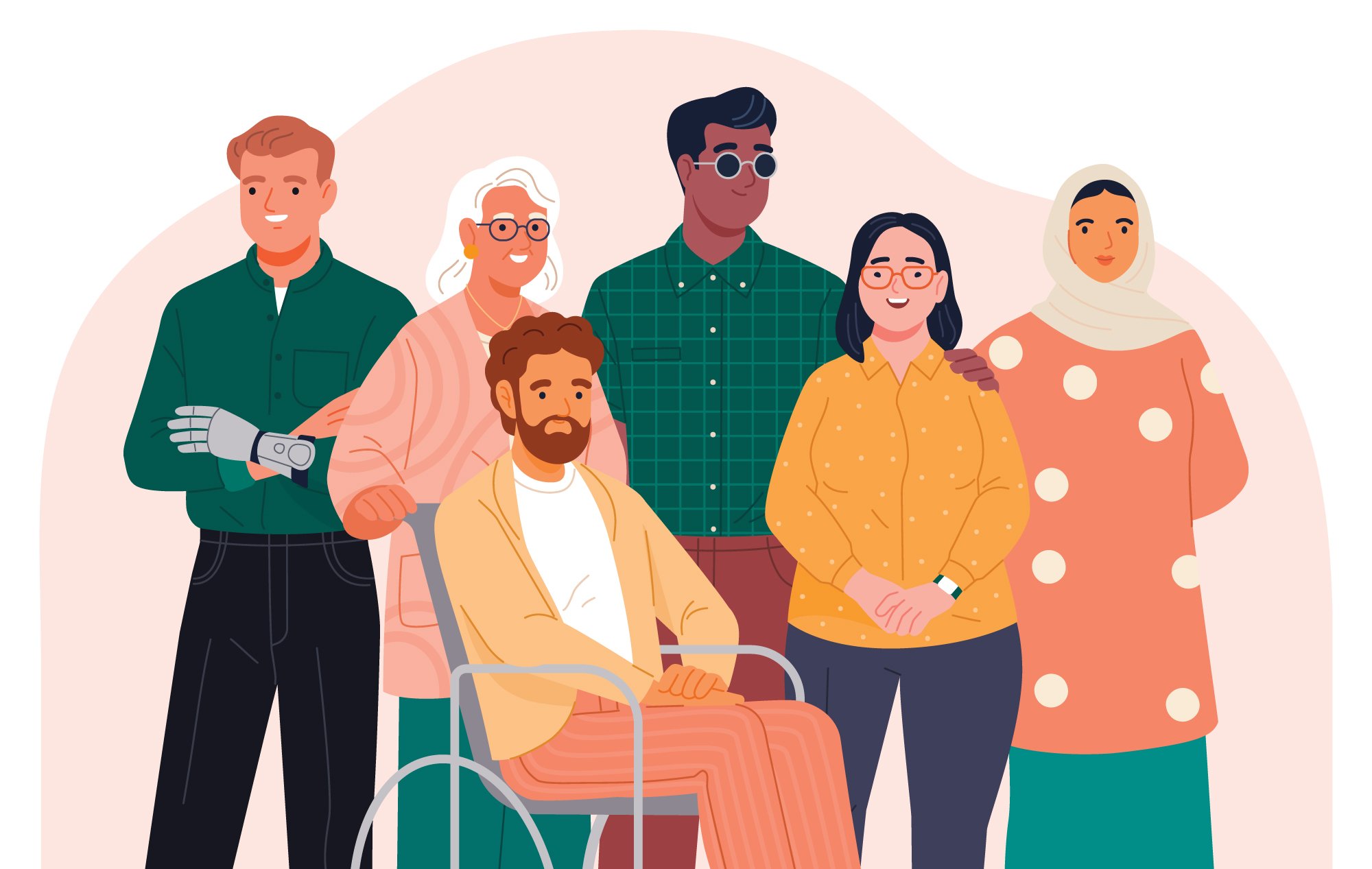
Salesforce’s 2024 Stakeholder Impact Report showcases its 25-year legacy of advancing accessibility and inclusion through strategic partnerships, innovative training programs, and global initiatives—all aimed at empowering professionals with disabilities.
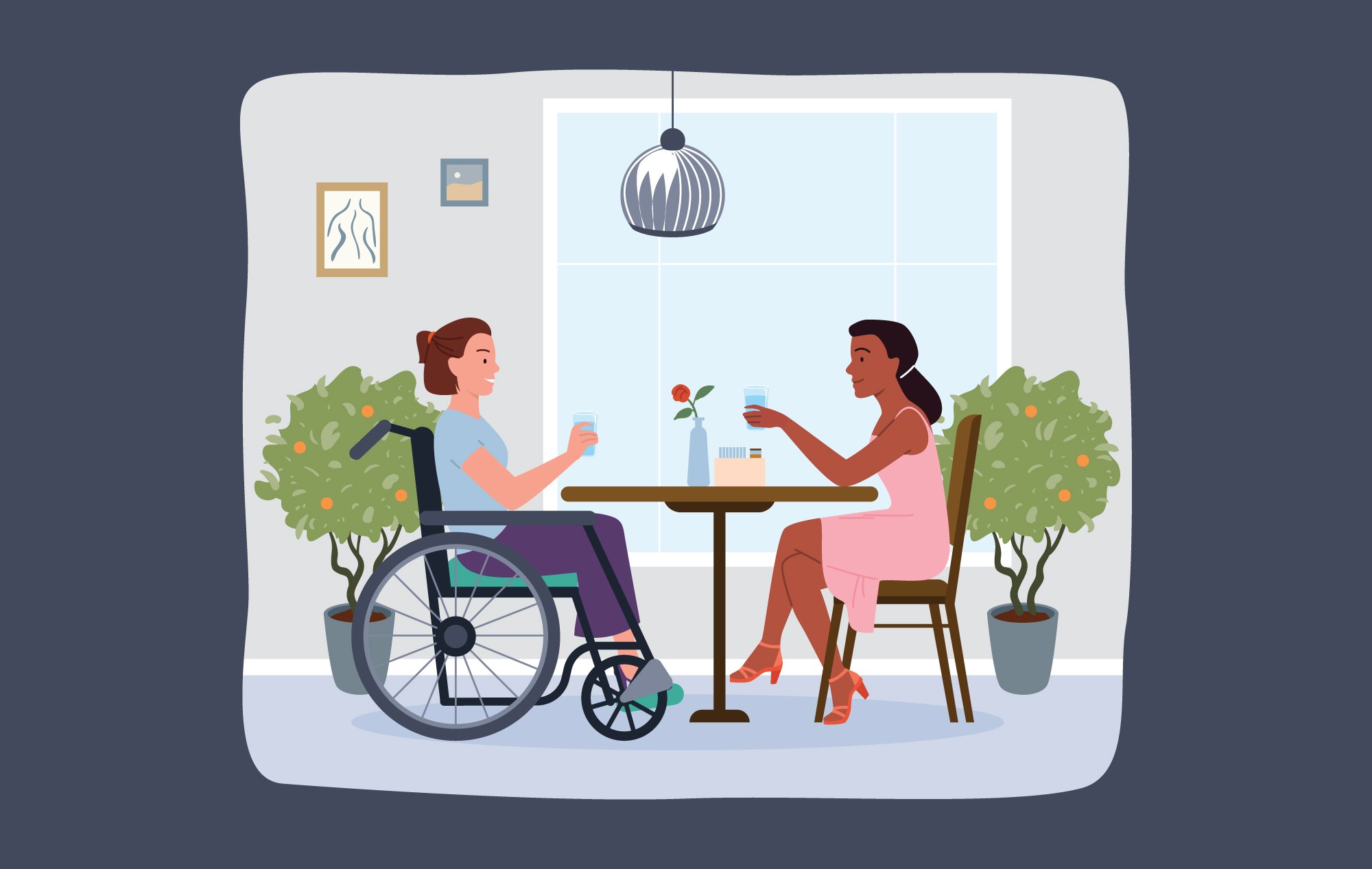
Microvalidations counteract the corrosive effects of microaggressions in the workplace through small acts of affirmation and inclusion, supporting marginalized or stigmatized groups.
Salesforce is enhancing accessibility at TrailblazerDX 2024 by including a Disability Help Desk, a Quiet Zone, captioning in all keynotes and breakout sessions, sighted escorts, sign language interpreters, over 100 accessibility staff volunteers, and more.
Get The Latest News, Tips And Insights About InclusionHub
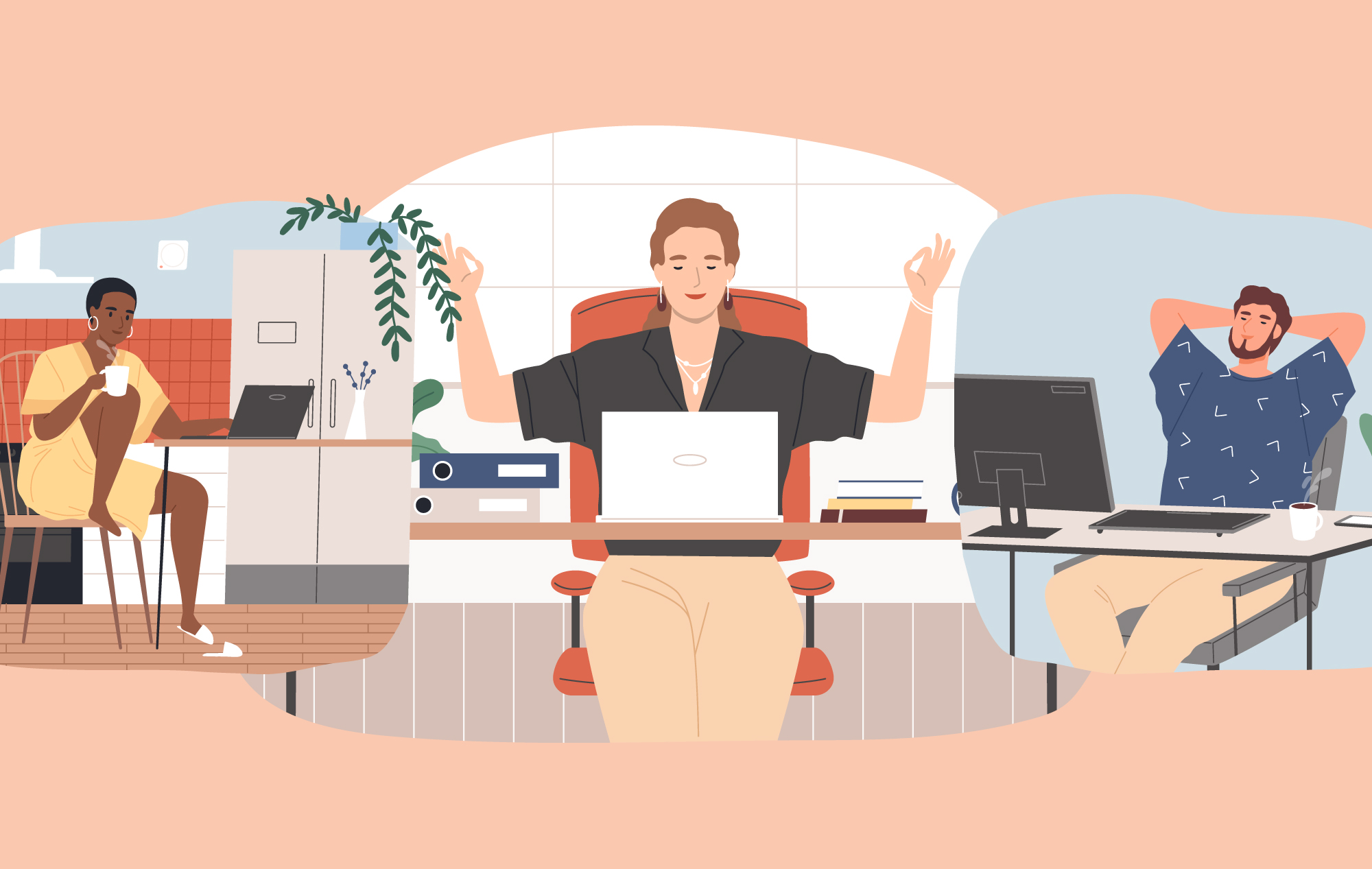
To create a remote team that embraces accessibility, inclusion, and belonging, you should adopt flexible work policies, implement ‘access checks,’ record all virtual meetings, use chat features judiciously, and recognize team members’ contributions.
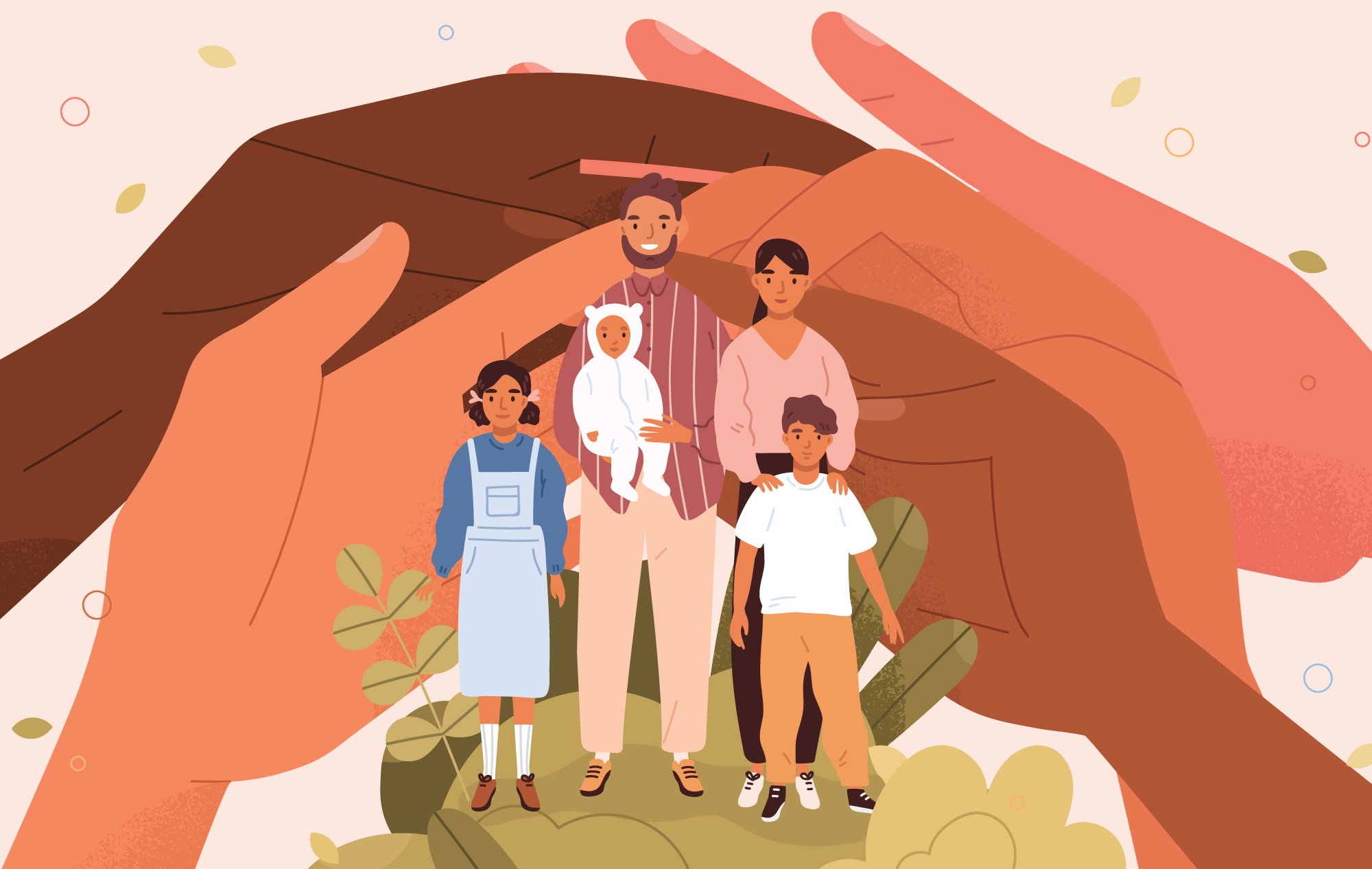
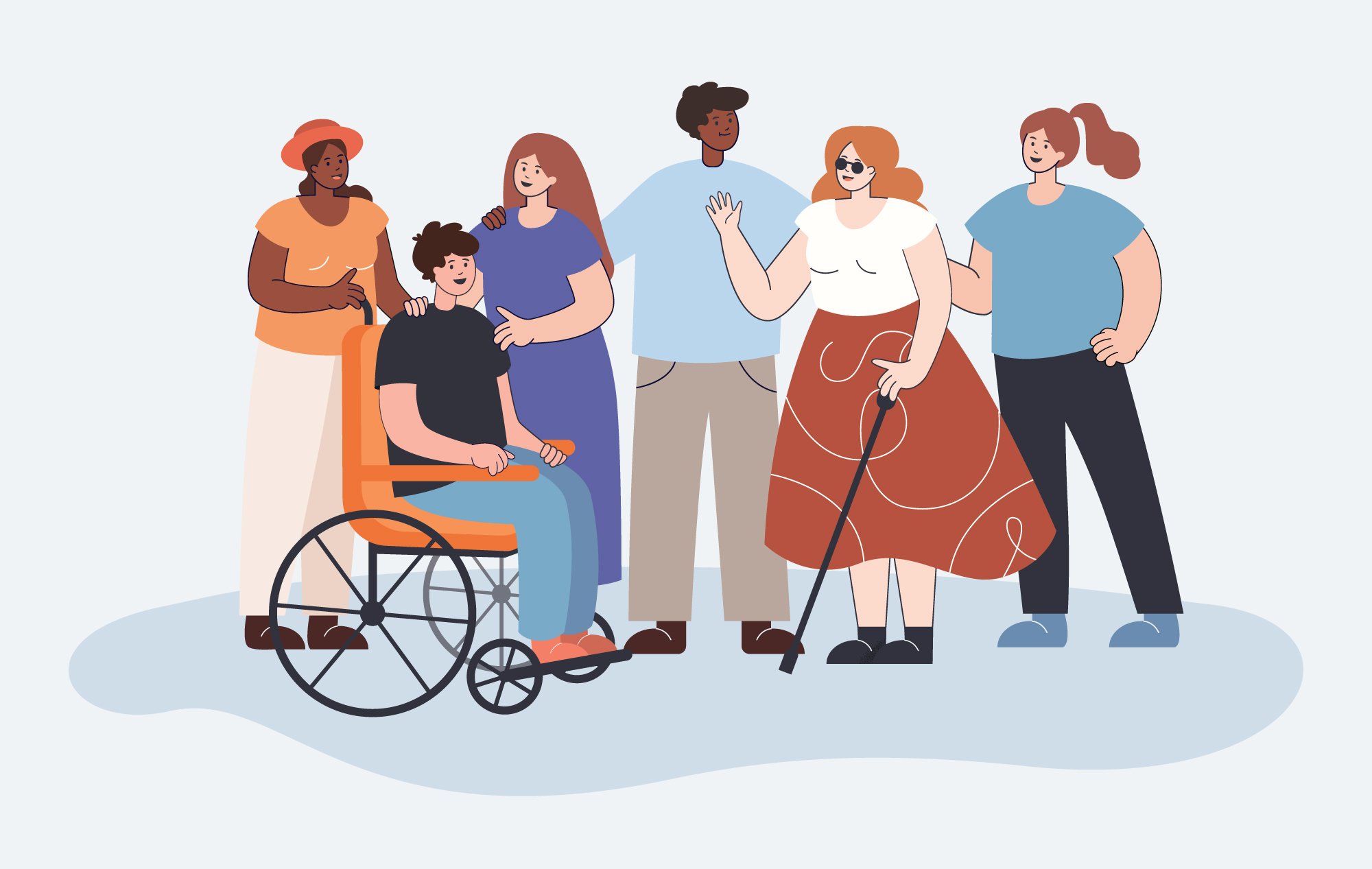
Providing better support for professionals with disabilities and their families centers around challenging stigmas, prioritizing flexible work options, facilitating disability awareness events, creating affinity groups, offering parental support, and encouraging mental health days.
When communicating about your disability inclusion plan, ensure it's accessible for all, integrated into your regular meeting structure, uses marketing collateral to inform, and is discussed consistently and frequently among employees and external stakeholders.
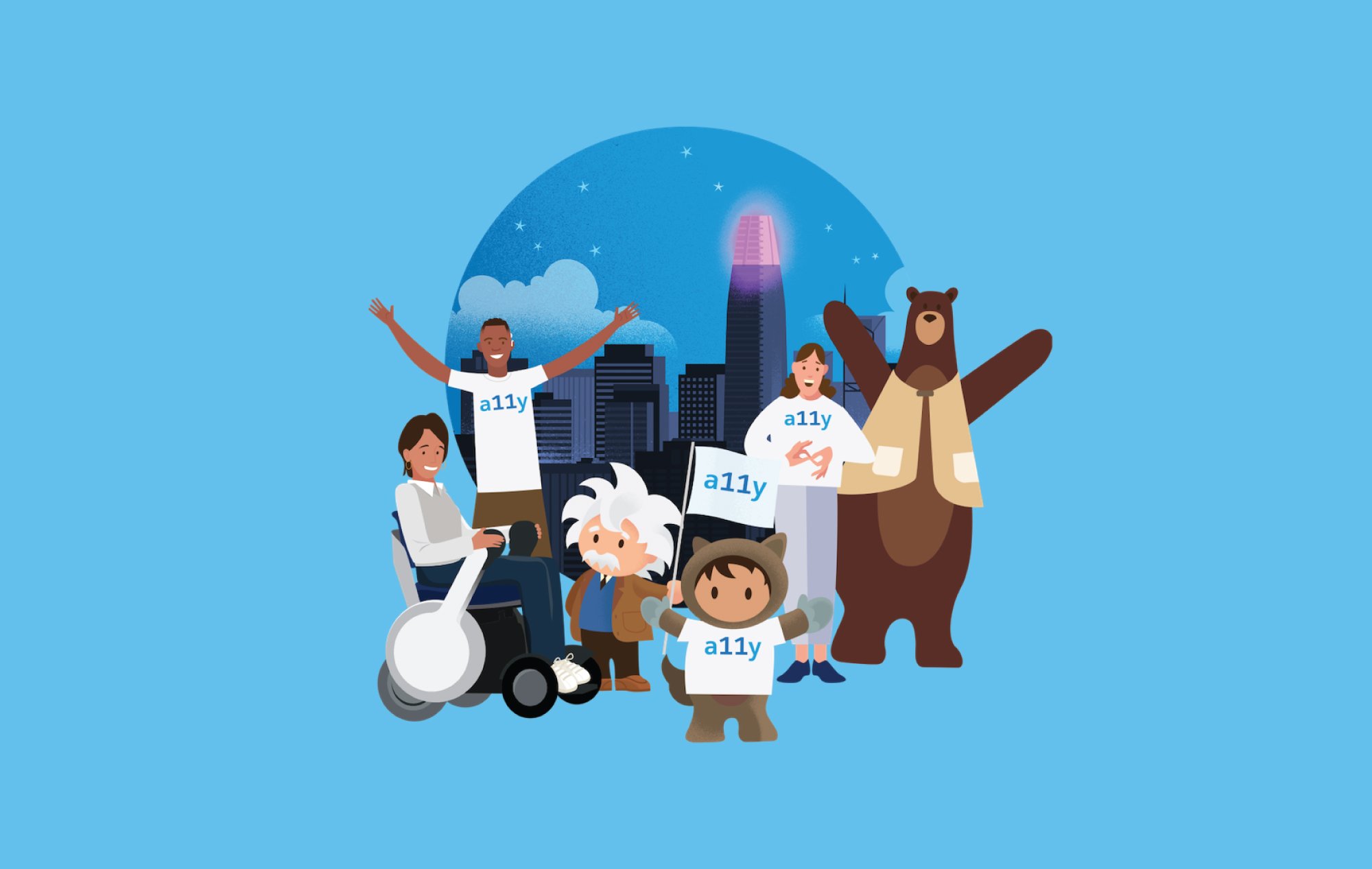
Through a combination of grassroots affinity groups and committed leadership, Salesforce has become a major advocate for greater accessibility and inclusion in the tech industry and wider professional world.
To better recruit and retain professionals with disabilities, you should embrace accessible hiring practices, adopt inclusive interviewing processes, prioritize disability leadership representation, implement digital inclusion, and create an inclusive and belonging culture.
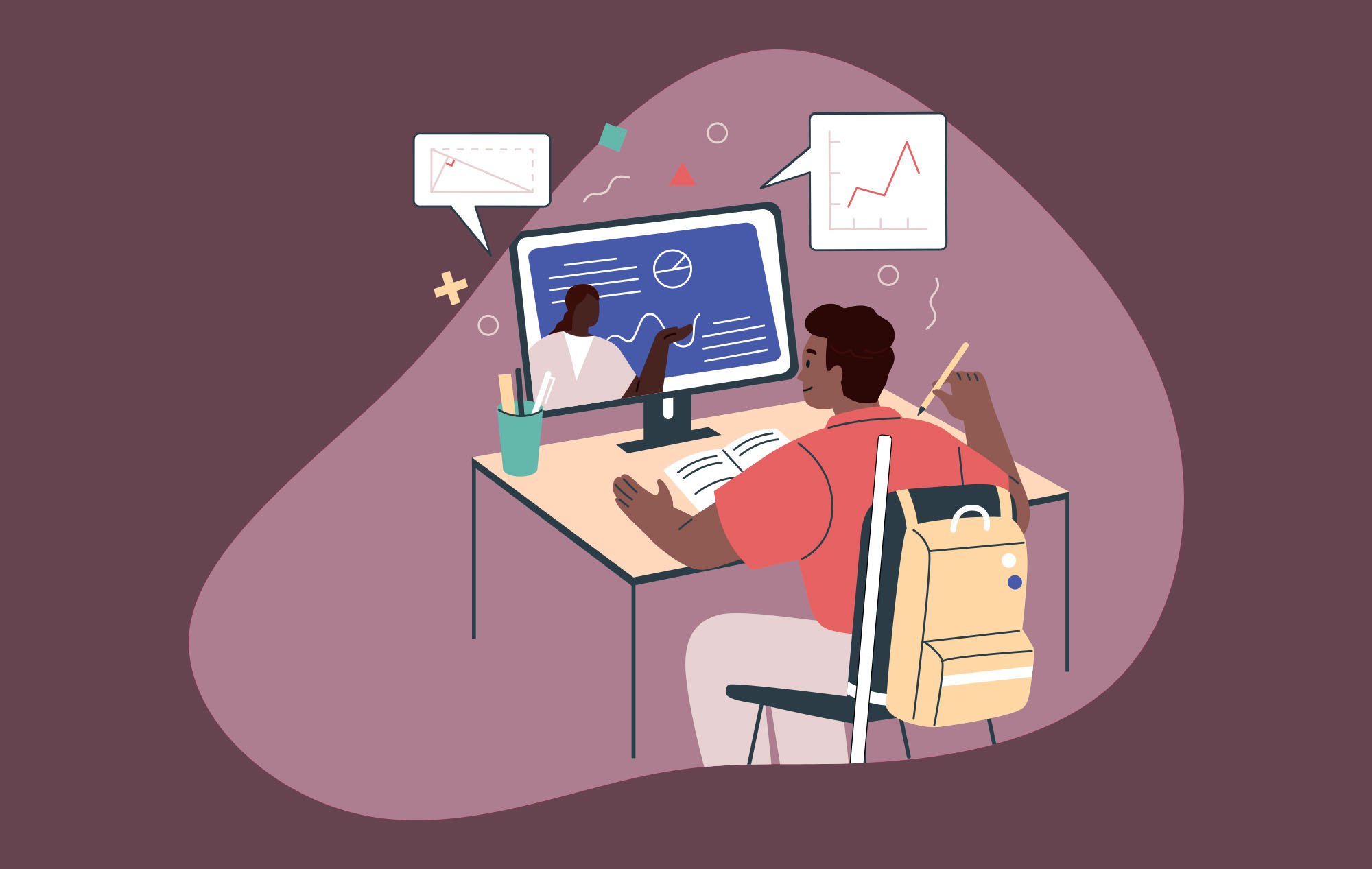
Create an accessible work environment that empowers individuals with cognitive and learning disabilities and promotes organizational success.
Implementing generalized accessibility strategies, asking employees to declare their disability status, and expecting HR departments to always lead out on accessibility are a few ways organizations mistakenly approach inclusion and disability issues.
Disability:IN 2023 highlighted the importance of inclusive language, approaching disability with authenticity, respecting others’ language preferences, being a better ally, and experiencing solidarity with other professionals with disabilities.
After becoming blind and struggling for years to find consistent employment, Strini Naidoo explains how Salesforce’s Trailblazer program has given his professional career a new life.
Creating an accessible workplace for d/Deaf employees means conducting accessibility trainings, providing assistive technology, and using inclusive communication methods.
A champion of greater inclusion and accessibility in tech, Salesforce rolls out a new website dedicated to its Workforce Navigators program for professionals with disabilities.

DEI and accessibility are both motivated by a desire for greater equality in the workplace and marketplace. Advocating for one should include championing the other.
By fostering inclusive and accessible team cultures, managers can encourage autistic professionals to feel comfortable self-advocating for the workplace accommodations they need to thrive.
By providing captioning, asking employees for accommodations they need, offering assistive technology, and speaking up for d/Deaf and hard-of-hearing employees, you can make your workplace much more accessible and inclusive.
Salesforce’s “FY23 Stakeholder Impact Report” demonstrates how its equality initiatives are transforming its ecosystem and work with clients, customers, and team members.
ACCESS 2023 is a free virtual conference focusing on digital accessibility and inclusion advocacy, innovations, best practices, and more—connecting thought leaders, experts, and professionals for networking, learning, and collaboration.
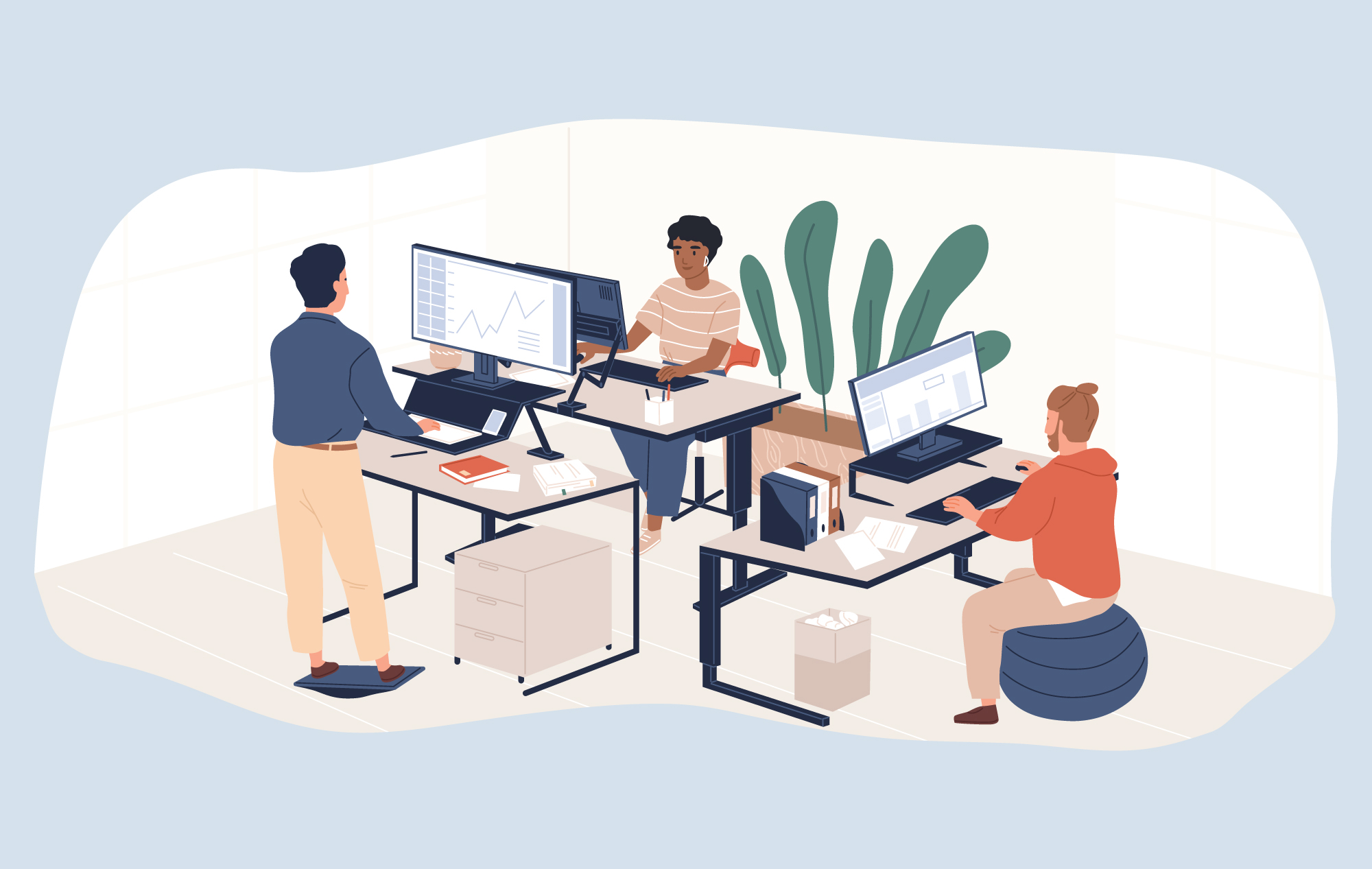
It is morally imperative that companies adopt inclusive return-to-work and work-from-home policies, including physically accessible workspaces and technologies, flexible work options, and awareness training.
Neurodivergent professionals engage in masking as a coping mechanism used to conceal aspects of their neurodivergent traits and fit in with workplace norms.
© 2026 InclusionHub Privacy Policy Accessibility Statement
The InclusionHub platform is built and managed on the HubSpot CMS by Hypha HubSpot Development.