Why Accessible Video Games Matter
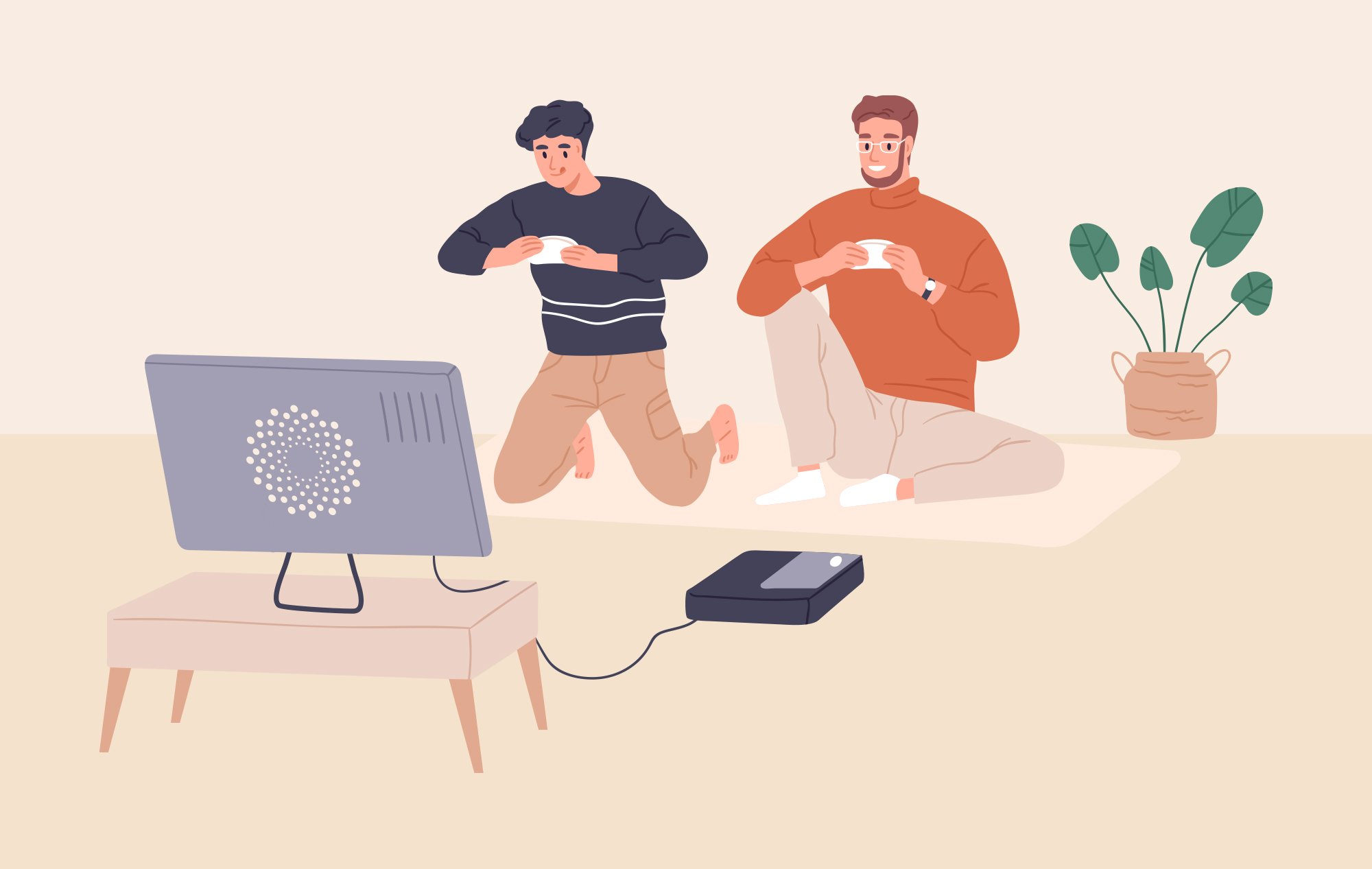
Accessible video games can contribute to overall quality of life and interpersonal relationships, as well as helping to combat social isolation for those living with all types of disabilities.
Department of Justice review reveals federal agencies are falling short in website accessibility for Americans with disabilities.
Accessible video games can contribute to overall quality of life and interpersonal relationships, as well as helping to combat social isolation for those living with all types of disabilities.
In this episode of The InclusionHub Podcast, host Sam Proulx resets the table, so to speak, returning to several critical yet rarely articulated insights shared by guests of our inaugural drop, and re-evaluating where we are as a society in the collective quest toward true digital accessibility and inclusion, for all.
Get The Latest News, Tips And Insights About InclusionHub
Implementing “access checks,” offering flexible video and audio options, limiting chat feature use, and investing in real-time captioning are just a few things you can do to make your virtual meetings more accessible and inclusive for professionals with disabilities.
InclusionHub founding partner Salesforce will host an accessibility track at Dreamforce 2022, the largest software conference in the world.
Making your websites more accessible, hiring processes more inclusive, and remote work options more plentiful are just a few straightforward ways you can create an inclusive and belonging work culture.
Leading CRM platform Salesforce spotlights its role as a founding partner of InclusionHub in its 2022 Stakeholder Impact Report, stressing the importance of digital inclusion and accessibility to its mission.
Members from the Office of Accessibility at Salesforce discuss both the challenges and benefits of attending an in-person conference such as CSUN 2022.
All digital products and services must strive to be inclusive and accessible per the Web Content Accessibility Guidelines (WCAG). However, the mental health disability community requires more specialized protocols above and beyond those outlined by the World Wide Web Consortium (W3C).
The Blind Institute of Technology and Salesforce are teaming up with Computers for the Blind to address the “digital divide” and employment gap between the disability community and businesses across the world.
Accessibility, also referred to as a11y, is about ensuring systems are designed so everyone can fully participate in public or professional life, while inclusion means everyone has the resources and opportunities they need to realize that. Belonging goes one step further, fostering a culture where everyone feels accepted and supported.
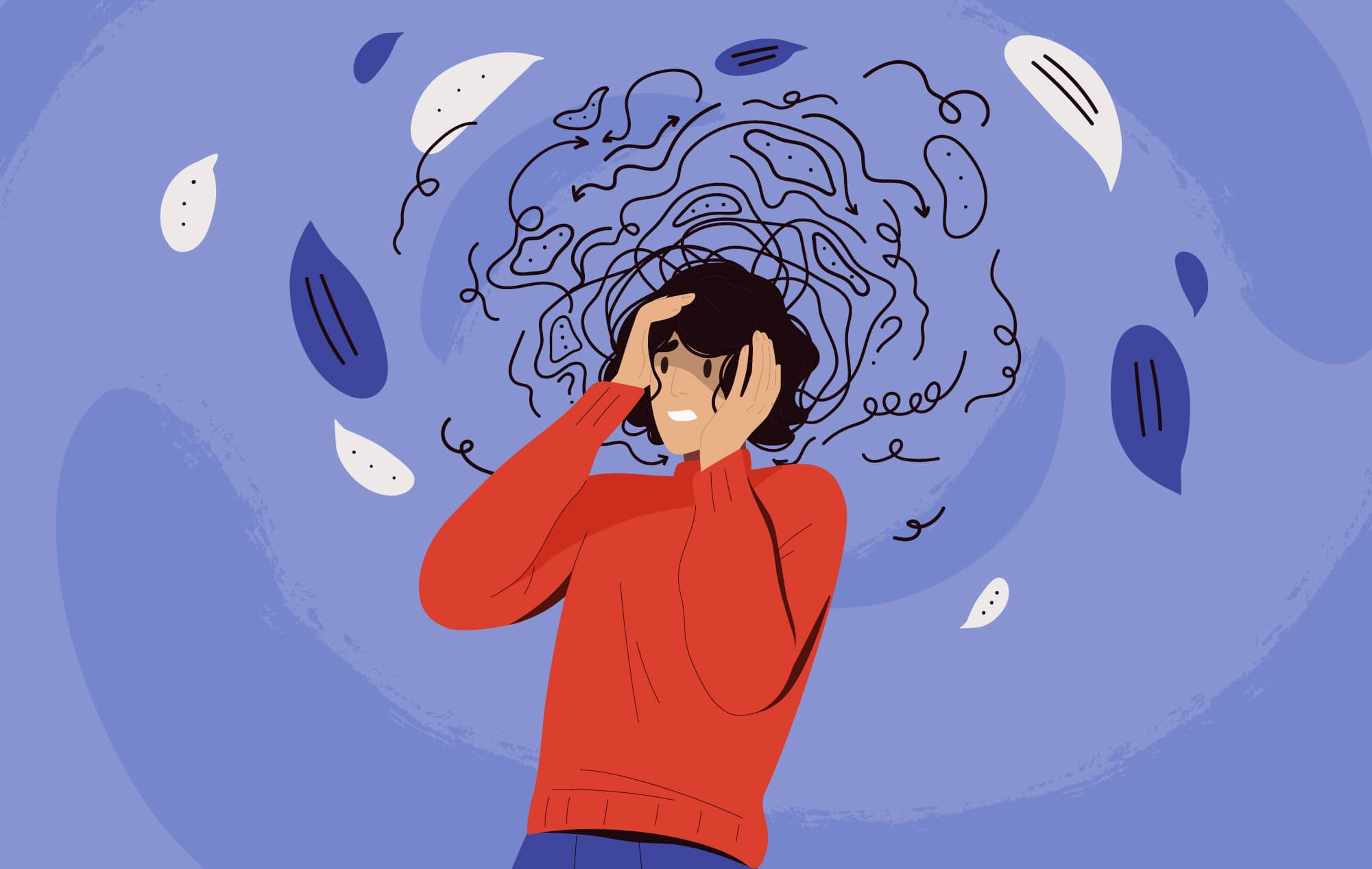
When crafting accessible and inclusive digital platforms for those living with mental health disabilities, avoid triggering images, words, and phrases, such as jumbled text, disorganized layouts, timed forms, illustrations depicting those in distress or despair, and others.
Following the WCAG guidelines can make your digital assets more accessible, especially for people with speech and language disorders.
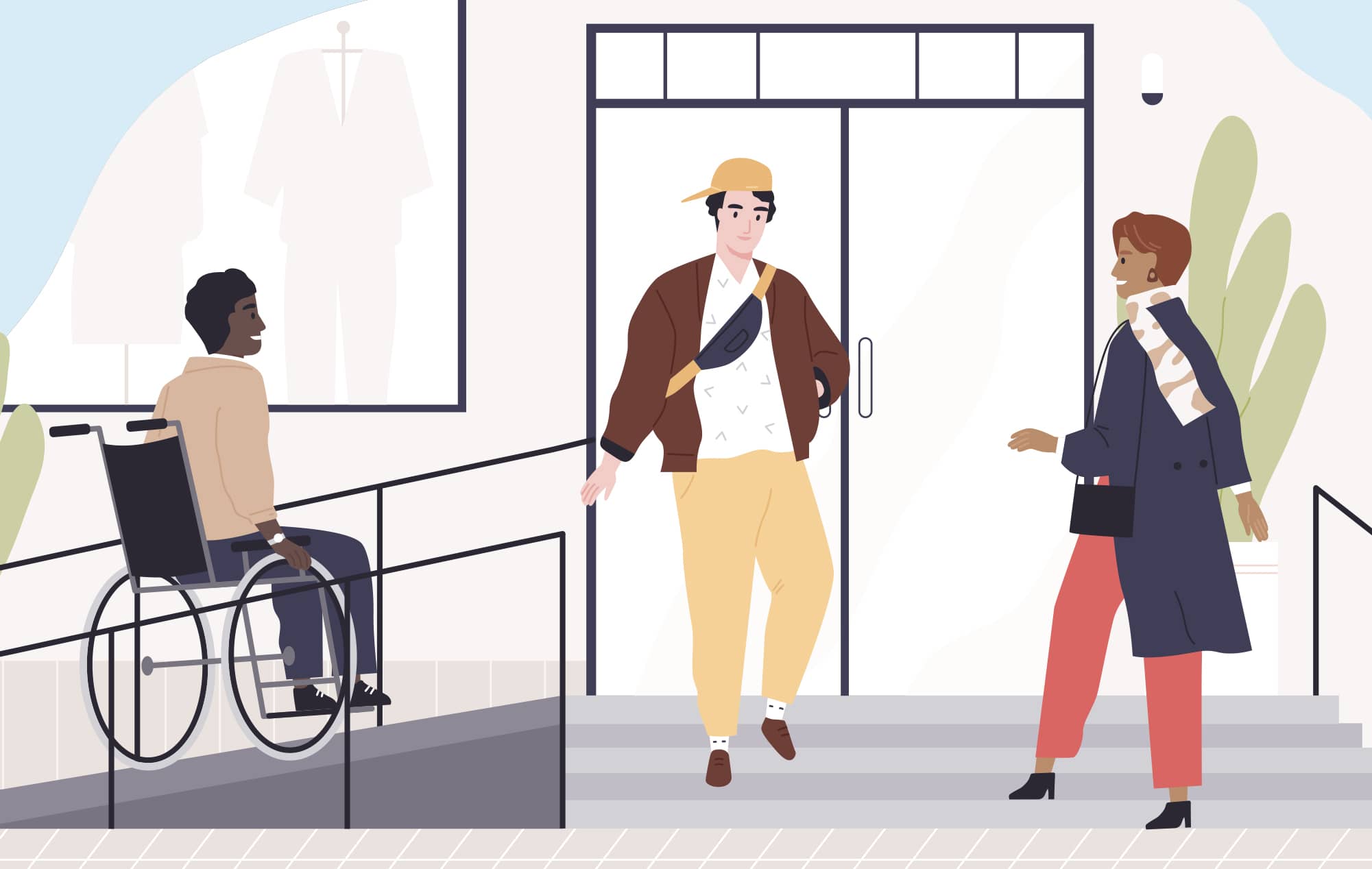
When designed with accessibility and inclusion in mind, websites and digital platforms play an essential role in removing barriers, helping people with physical disabilities establish community and support.
Individuals with learning disabilities face widespread barriers to inclusion. Understanding these obstacles can help improve accessibility and change lives.
Web Content Accessibility Guidelines (WCAG) consist of a collection of accessibility protocols that must be followed to ensure the internet is open to everyone.
Following the WCAG for learning disabilities can make your content more accessible to the millions of individuals with dyslexia, dyscalculia, and other conditions
By designing digital platforms and websites with all users in mind, the internet can become an even more powerful tool for helping people with physical disabilities overcome obstacles and challenges.
The Americans with Disabilities Act provides individuals who are d/Deaf or hard of hearing with auxiliary services that enable effective communication with the hearing population and provide equal opportunities to participate in and benefit from services.
Living with a learning disability presents daily challenges, from understanding text or nonverbal social cues to accessing and utilizing websites for products and services. Understanding and addressing potential barriers to this community—in education, web design, and many other areas—is critical to helping improve inclusion and acceptance, for all.
Adhering to Web Content Accessibility Guidelines and recommendations from reputable design improvement resources can help ensure your website is accessible to people with physical disabilities.
© 2025 InclusionHub Privacy Policy Accessibility Statement
The InclusionHub platform is built and managed on the HubSpot CMS by Hypha HubSpot Development.